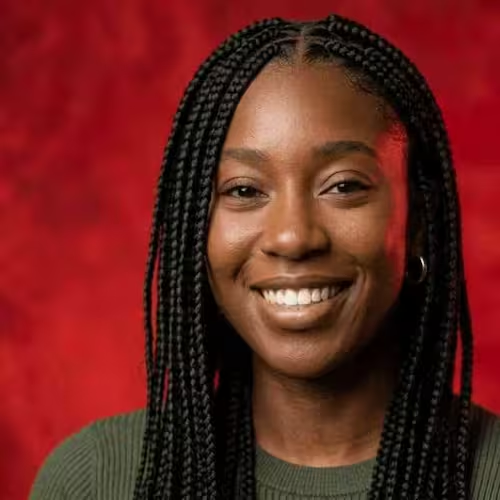
Why Braiding Is Great for Your Hair
When done correctly by an experienced braider, braiding is one of the most beneficial things you can do for your hair. It's a proven protective style used by millions of people — particularly those with curly, coily, or textured hair — to promote growth and maintain health.
Protects Your Hair
Braids act as a shield, keeping your hair safe from environmental damage — sun, wind, and everyday manipulation that causes breakage over time.
Locks In Moisture
Braids help your hair stay hydrated by reducing moisture loss. This is especially beneficial for curly and dry hair types that struggle to retain moisture.
Reduces Breakage
By keeping strands together and minimizing daily manipulation, braids significantly reduce split ends and breakage — helping you retain length over time.
Versatile & Stylish
From knotless braids to Senegalese twists to cornrows — there's a braiding style to match every hair type, texture, and personal aesthetic.
When Braiding Can Hurt Your Hair
Not all braiding experiences are equal. Poor technique or neglect can turn a protective style into a damaging one. Here's what to watch out for:
Too-Tight Braids
Excessive tension at the scalp is the most common cause of traction alopecia — a form of hair loss caused by prolonged pulling. If your braids hurt when first installed, they're too tight.
Incorrect Technique
Braiding the wrong way — especially without proper sectioning or with uneven tension — can cause breakage, scalp irritation, and uneven hair loss.
Scalp Neglect
Leaving braids in too long without cleansing allows product buildup, oil, and bacteria to accumulate. This can cause scalp irritation, dandruff, and even infection.
Tips for Healthy Braiding
Whether you're a first-timer or a regular at the braid chair, these guidelines will help you get the most out of your protective style.
Keep Tension Gentle
Your braids should never hurt during or after installation. Mild tightness is normal, but pain is a warning sign. Ask your braider to loosen them if you feel discomfort — a good braider will always accommodate.
Cleanse Regularly
Wash and condition your hair and scalp every 2–3 weeks even while braided. Use a diluted shampoo or scalp cleanser to keep your scalp fresh and healthy between appointments.
Choose the Right Style for Your Hair
Not every style suits every hair type or length. A professional braider will assess your hair's thickness, texture, and condition before recommending the best protective style for you.
Always Go to a Professional
For intricate styles like knotless braids, faux locs, or Senegalese twists, always book with a trained braider. At Mont Horeb Hair Braiding in Silver Spring, our experienced team ensures every style is installed safely and beautifully.
Braiding Is Great — When Done Right
Braiding can be one of the best things you do for your hair's health, length retention, and style versatility. The key is working with a skilled professional who uses proper technique and gentle tension, and maintaining your braids with regular cleansing.
At Mont Horeb Hair Braiding, we've helped thousands of clients across Silver Spring, Burtonsville, Takoma Park, Washington DC, Hyattsville, and College Park achieve beautiful, healthy protective styles. Whether you're looking for knotless braids, box braids, cornrows, faux locs, Senegalese twists, or kids' braiding — we've got you covered.